
A bothy is a simple, unlocked building in a remote place, kept open for anyone to use. Most sit in the Scottish Highlands and Islands, with a scattering in the hills of northern England and Wales. You will usually find four walls, a roof, a wooden sleeping platform and, if you are lucky, a stove. There is no booking system, no warden and no charge. That freedom is exactly what makes bothies special, and it is also why they depend on everyone who visits them.
There is something quietly Nordic about the whole business. The Scandinavian idea of friluftsliv — open-air living, deliberately unglamorous, close to weather and water — fits a bothy night perfectly. You walk in with everything you need, you make a simple hot meal, you watch the light go out over a bay or a glen, and you sleep under wool. The point is not comfort. The point is being there.
Start with honest arithmetic. Work out the distance, the ascent and the ground underfoot, then add time for bog, tussocks, river crossings and short winter daylight. A bothy four kilometres from the road can still take three hours in wet conditions with a heavy pack.
Use a paper map and a compass as your primary tools, with a GPS device or phone app as backup only. Batteries fail in the cold, and remote glens rarely have signal. Tell someone at home where you are going, which bothy you intend to reach and when you expect to be back.
Think about the season. In midwinter, darkness falls by half past three in the afternoon, so plan to arrive with an hour of light to spare. In summer, midges can make an evening outside miserable; a head net weighs almost nothing and saves your sanity. Spring and autumn often give the best combination: long enough days, fewer insects, and cooler air for walking.
Assume the bothy provides nothing at all. Pack as though you may have to turn around and camp, because sometimes you will.
If there is a stove, a few dry logs or a bag of smokeless fuel left by a previous visitor is a gift. If you use the last of it, replace it on your next trip.
Bothies survive on goodwill. The rules are simple, but they matter.
Report damage or missing essentials to the volunteer group that looks after the building, so the next person finds it sound.
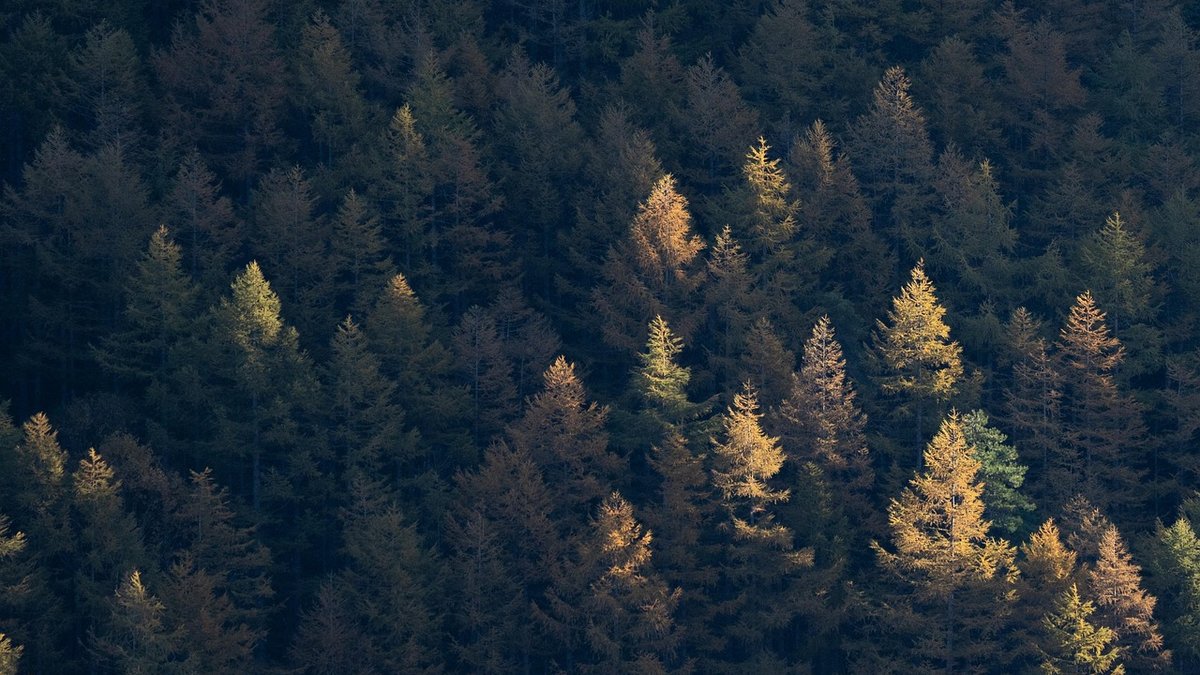
Many of the best bothy approaches run through old woodland before opening onto coast or moor. Take your time in the trees. Look for red squirrel middens, listen for crossbills, and notice how the understorey changes as you gain height. These walks reward a slow pace far more than a fast one.
On the coast, borrow a few Nordic habits. Swim if you are confident and properly equipped, then dry off quickly and get into wool. Sit out the evening with a flask rather than a fire. Watch the light on the water and let the day end slowly. That low, long northern light is the whole reason people keep coming back.
Remote means help is hours away, not minutes. Check a mountain forecast before you set off and again on the morning of the walk. Wind and rain decide more trips than distance ever does. Carry a shelter, know how to use your map in poor visibility, and be willing to abandon the plan.
The best bothy trips are the modest ones: a short walk in, a warm meal, an early night, and a clear morning. Plan well, carry enough, tread lightly, and these places will still be there for the next person who needs them.

Hi, my name is Anthony kuber. I am artist and fashion designer.
I love to travel and writing blogging.
Your email address will not be published. Required fields are marked *
Software Developer & Writer
Hey, I'm Diva, a developer and writer blending code and creativity. I'm driven by a deep curiosity and a relentless pursuit of excellence. Join me as I craft digital solutions and captivating stories.


