
By early March, long before the bluebells have made up their minds, the floor of a damp and shady wood can turn vivid green with wild garlic. Allium ursinum, also known as ramsons, pushes up through the leaf litter in dense carpets, and for a few short weeks it is almost impossible to miss. It is one of the most rewarding plants for a beginner forager: the identification is straightforward, the smell is unmistakable, and the reward is an ingredient with real backbone in the kitchen.
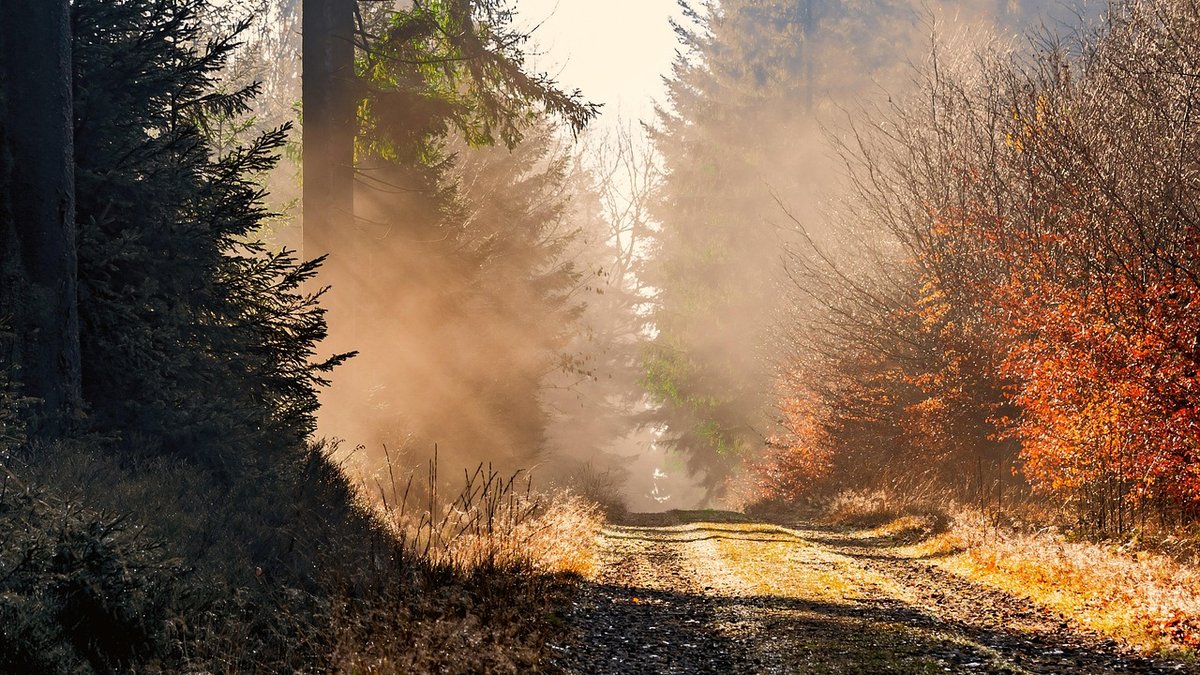
There is something quietly Nordic about the whole exercise. A slow walk through bare-branched woodland, a thermos in a canvas bag, cold air coming off the coast a few miles away, and a basket that fills itself. If you already enjoy that pared-back, weather-proofed, walk-then-cook style of outdoor living, wild garlic fits into it perfectly.
The leaves are the part you want. Look for broad, soft, lance-shaped leaves in bright, almost luminous green, usually between 5cm and 25cm long, with a smooth edge and a slightly drooping tip. They grow in rosettes from a buried bulb and appear in shimmering drifts rather than as isolated plants. Each plant typically carries two or three leaves on slim, pale stems.
The single most reliable test is scent. Tear a small piece of leaf between finger and thumb — the sharp, clean smell of garlic should hit you immediately. If it doesn't smell of garlic, do not eat it. For beginners, that one rule does most of the heavy lifting.
From April, wild garlic produces white, star-shaped flowers in loose clusters on a triangular stem. The flowers are edible too, with a gentler flavour than the leaves, and are lovely scattered over a salad or folded into soft butter.
Two lookalikes are worth knowing. Lily of the valley has similar leaves but carries white, bell-shaped flowers and has no garlic smell at all — it is seriously poisonous. Lords-and-ladies, or cuckoo pint, can look broadly similar when young; its leaves are often arrow-shaped and blotched with dark purple, and it is toxic and intensely irritating. Both are ruled out instantly by the scent test, which is why crushing a leaf matters far more than squinting at it.
Wild garlic likes damp shade. Search ancient and semi-natural woodland, woodland edges, hedgerows and stream banks, often on slightly acid soils. It frequently grows alongside bluebells, wood anemone and dog's mercury, so a wood that suits those plants is a promising bet.
Wild garlic is resilient, but a popular patch can be stripped bare by a few careless visitors. A little restraint goes a long way.
Wash your haul in cold water and use it quickly. The classic is wild garlic pesto: blitz the leaves with toasted nuts, hard cheese, lemon and good olive oil, then stir through pasta or spoon over roasted vegetables. Beyond that, the leaves make a vivid green soup, melt beautifully into butter, and give a plain cheese sandwich a sudden lift.
For a Nordic-inspired coastal feel, chop a handful finely into soft butter with a little sea salt and serve it on dark rye bread after a long walk, alongside a flask of something hot. It also freezes brilliantly: blanch the leaves for a few seconds, squeeze out the water and pack into bags, or whizz the butter and freeze it in a roll. A taste of spring woodland in the middle of January is a fine thing.
Only ever eat a plant you have identified yourself, with certainty, and never on someone else's say-so. Avoid picking where dogs are walked regularly, or from low ground that floods, and rinse everything well before it reaches the pan.
Finally, remember that foraging is a way of visiting a place, not emptying it. Take a little, leave plenty, and the same patch will greet you next spring — green, garlicky, and humming with early bees.

Hi, my name is Anthony kuber. I am artist and fashion designer.
I love to travel and writing blogging.
Your email address will not be published. Required fields are marked *
Software Developer & Writer
Hey, I'm Diva, a developer and writer blending code and creativity. I'm driven by a deep curiosity and a relentless pursuit of excellence. Join me as I craft digital solutions and captivating stories.


