
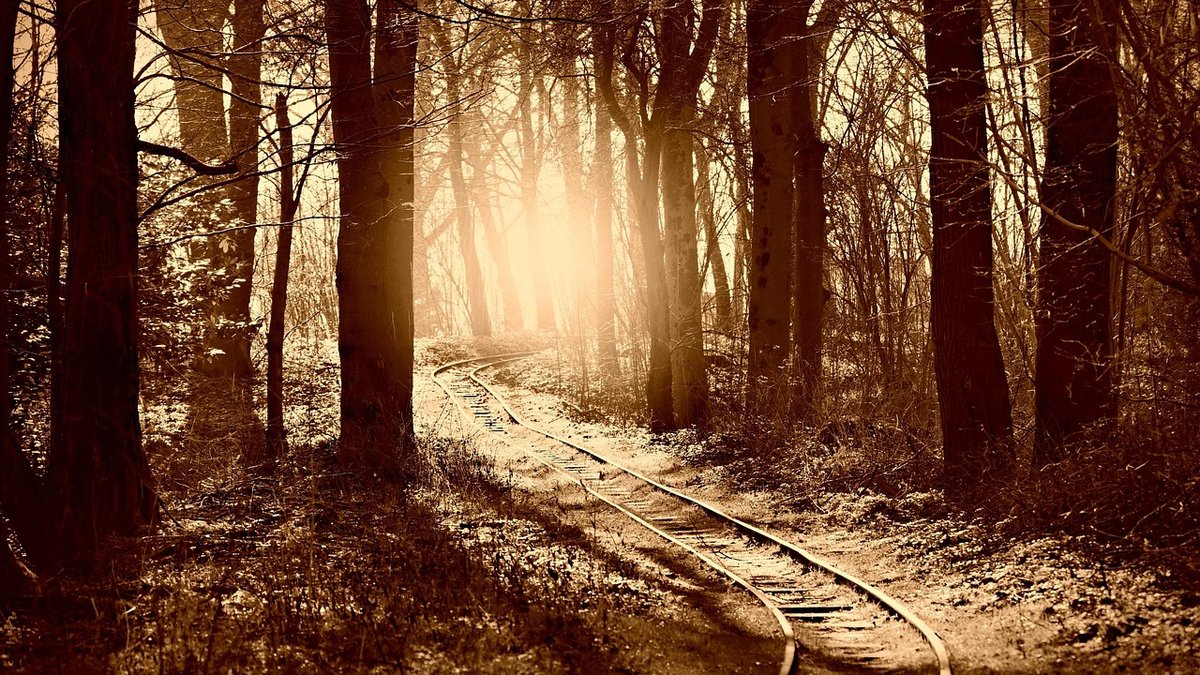
You can spend a small fortune on binoculars and still see almost nothing in a wood. The birders who come back with the best sightings are rarely the ones with the most expensive kit — they are the ones who have learned to be boring. Dull to look at, dull to listen to, and utterly predictable in their movements. Woodland birds live in a world of constant vigilance, and they read disturbance long before they see you.
The principles are simple: make less noise, cast a smaller silhouette, move less often, and let the birds come to you. Everything else in this article is really just detail hung on that frame. Treat every woodland visit as a chance to practise stillness rather than a race to tick off species.
Your clothing is your first piece of fieldcraft, and it matters far more than most people realise. A rustling jacket can be heard from twenty metres on a still morning, which is roughly the distance at which a nuthatch will decide you are not worth tolerating.
The hour after sunrise is the gold standard. The dawn chorus in April and May is the single best opportunity you will get all year, and it begins in near-darkness, roughly thirty to forty minutes before the sun clears the horizon. Arrive in the dark, settle in place, and let the wood wake around you rather than marching in at nine o'clock and wondering where everything has gone.
Wind is the enemy of quiet watching. Anything above a stiff breeze drowns out contact calls and makes foliage restless. Damp, still mornings after overnight rain are excellent — birds feed hard, the leaf litter is soft underfoot, and sound carries beautifully. Mid-afternoon in high summer is the worst of all: hot, quiet and full of dog walkers.
You do not need a hide. A tree trunk wider than your shoulders, a dense holly bush or a fallen log at the edge of a clearing will all serve if you use them properly and then commit to staying put.
Woodland birding is at least half listening. Learn the difference between contact calls and alarm calls and you will know exactly when you have overstepped. A blackbird's sharp, repeated tchink, a robin's ticking, a wren's dry churring rattle and the scolding chatter of great tits are all warnings — often aimed at you.
When you hear them, stop. Do not creep forward, and do not start scanning the canopy. Simply freeze, or take two slow steps backwards. Almost every interesting encounter in a wood comes after the alarm subsides, when a treecreeper resumes its spiral up an oak or a pair of marsh tits return to their circuit. This unhurried, patient way of being outdoors — closer to the Nordic idea of friluftsliv than to a sporting pursuit — is what makes woodland watching so quietly rewarding.
Between March and August, your presence can do real harm. Disturbance at a nest can cause desertion, expose eggs to predators, or push fledglings out before they can fly. Some species, including several woodland raptors and rarer warblers, receive special legal protection under the Wildlife and Countryside Act 1981, and it is an offence to disturb them at or near a nest.
Do these things well and you will see more, not less. Quiet fieldcraft is not a restriction on a good day out — it is the whole reason the day works.

Hi, my name is Anthony kuber. I am artist and fashion designer.
I love to travel and writing blogging.
Your email address will not be published. Required fields are marked *
Software Developer & Writer
Hey, I'm Diva, a developer and writer blending code and creativity. I'm driven by a deep curiosity and a relentless pursuit of excellence. Join me as I craft digital solutions and captivating stories.


