
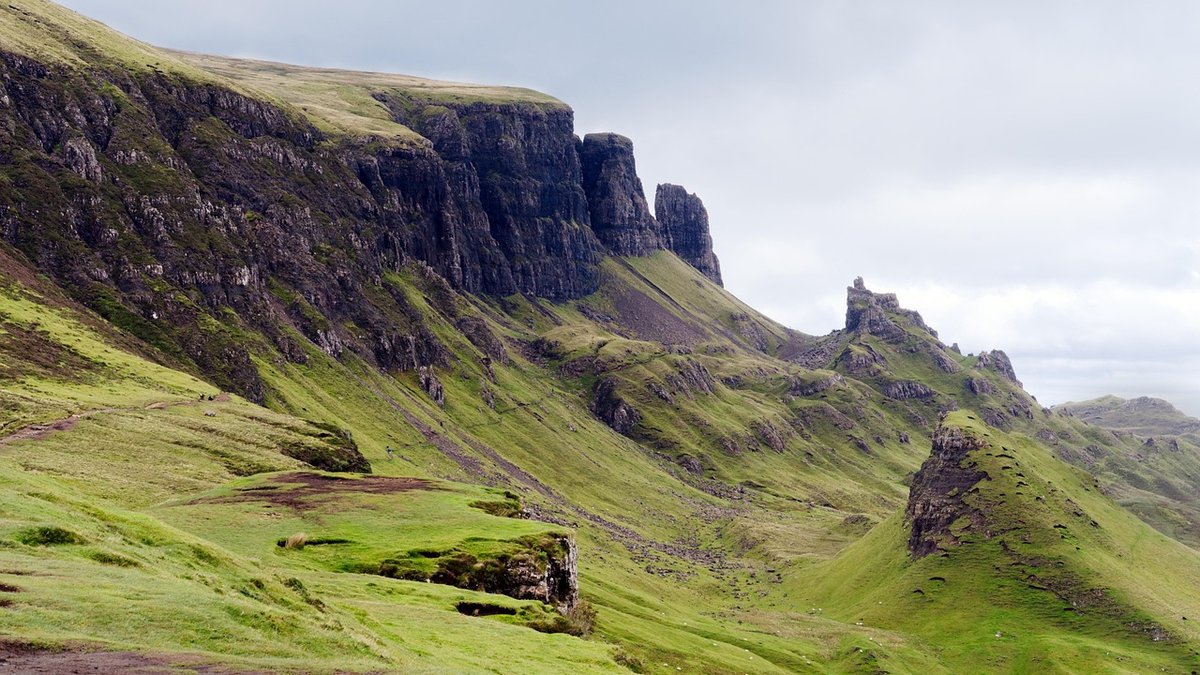
Most of Britain's woodland isn't vast. It's a ten-acre copse behind a housing estate, a strip of alder along a brook, a wind-bent oak wood on a coastal slope above the sea. These places are looked after by volunteers, usually a handful of people with a shared set of keys, a tool store and a rota that never quite fills up. That's where you come in.
You don't need a chainsaw ticket or a decade of experience. Conservation volunteering is mostly ordinary work done carefully and repeatedly: cutting back a bramble, clearing a drain, picking up a crisp packet, checking a tree guard hasn't rubbed a sapling raw. A morning a month makes a visible difference within a season. And it sits beautifully alongside a slower, Nordic-inspired way of being outdoors — the idea that time in the open air is part of daily life rather than a special occasion.
Footpaths are the front door of any woodland. If they're muddy, overgrown or blocked, people stop coming, and a wood that isn't walked through is a wood that quietly loses its advocates. Path work is satisfying because you can see what you've done by lunchtime.
Planting season runs from November to March, while trees are dormant and the ground is workable. Bare-root whips planted in a notch are cheap, quick and establish far better than anything potted in summer.
The part that gets forgotten is the five years afterwards. A whip planted and abandoned is often a whip lost to voles, deer, drought or grass competition. If your group plants, commit to aftercare:
On exposed coastal edges, shelter is everything. A low windbreak of gorse or hawthorn will do more for your new trees than any fertiliser.
Litter picks are the easiest task to join and often the most sociable. Grabbers, gloves, sturdy bags, and a designated person to log what you find. Take a sharps container and never handle needles, glass or anything medical by hand.
Some litter is woodland-specific. Baler twine wrapped around trunks, plastic tree guards that have cracked and blown into hedges, and dog poo bags hung in branches like grim little decorations. Report fly-tipping to the local council rather than trying to shift it yourselves — they have the vehicle and the legal duty. And resist the urge to tidy everything: leaf litter, standing deadwood and nettle patches are not mess, they're the working parts of the ecosystem.
The Nordic approach to outdoor living — friluftsliv, roughly "open-air living" — treats time outside as a necessity rather than a treat. It also carries a strong thread of leaving a place better than you found it, which is exactly what a conservation task morning is.
Where woodland meets coast, that ethos has a particular texture. Think wind-pruned oaks, birch scrub and gorse on a clifftop path, salt in the air, a flask of coffee drunk sitting on a log you cleared yourself an hour earlier. Dress in wool and layers, bring a sit mat, and plan your walk around the tide. Then add one small task to the outing: a litter pick on the way back, a check on a sapling, a note of a blocked drain for next time.
Do respect the wildlife calendar. Between March and August, keep to paths and keep dogs close near ground-nesting birds, and give seals on the shore a wide berth. Conservation and recreation only conflict when we're careless.
The volunteers who last are the ones who build a rhythm rather than waiting for a burst of enthusiasm. Join your local group's mailing list, turn up to the same monthly session, and bring someone with you. Half-days work better than full ones — tools, tea and a biscuit at eleven, home by two.
Let the year guide the work. Winter is for planting, hedge laying and brash burning. Spring brings litter picks and guard checks. Summer is for path work, invasive species and gentle watering. Autumn is drains, leaf clearance and surveying what thrived.
Record what you do, even roughly. Hours logged and tasks completed are what help small groups win funding, borrow tools and prove that a scruffy little wood on the edge of town is cared for by real people. It also reminds you, on a grey February morning, just how much you have already done.

Hi, my name is Anthony kuber. I am artist and fashion designer.
I love to travel and writing blogging.
Your email address will not be published. Required fields are marked *
Software Developer & Writer
Hey, I'm Diva, a developer and writer blending code and creativity. I'm driven by a deep curiosity and a relentless pursuit of excellence. Join me as I craft digital solutions and captivating stories.


