
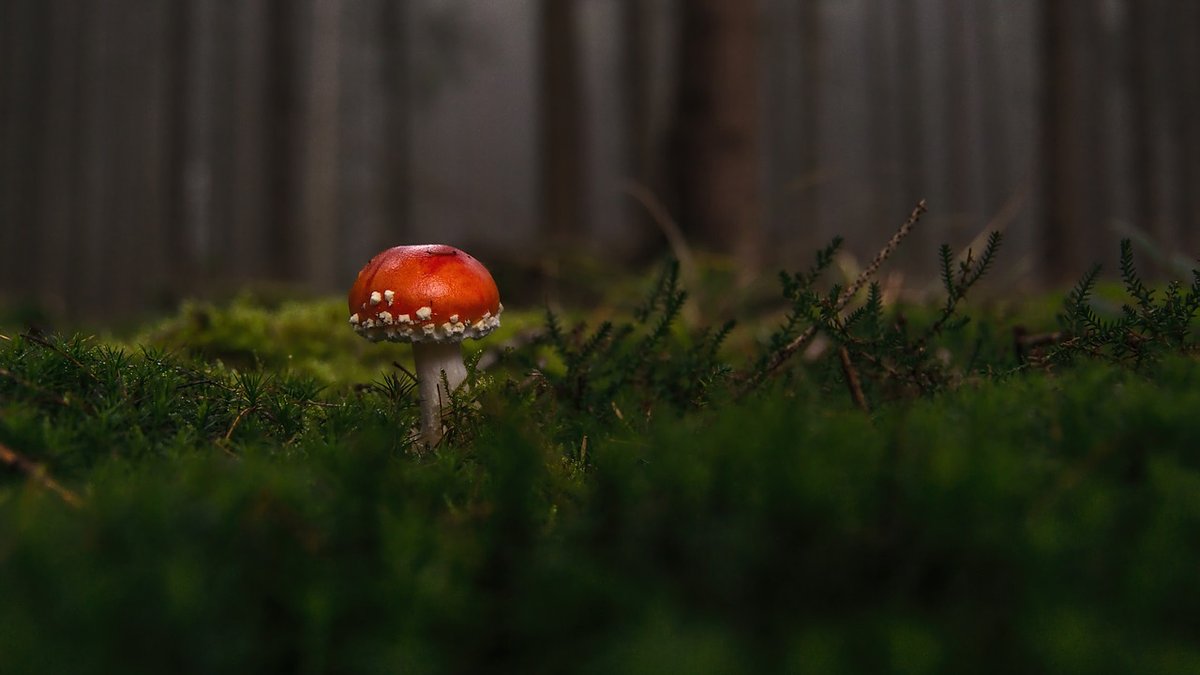
There is a quiet magic to misty woodland. The air softens, sounds muffle, and light turns pearly and diffused. For anyone drawn to Nordic-inspired coastal outdoor living, these mornings are a perfect excuse to grab a camera. Whether in a British broadleaf wood or a coastal pine forest, the techniques below will help you capture the atmosphere without disturbing fragile habitats.
Mist acts as a giant softbox, scattering light and reducing contrast. That is wonderful for revealing detail in shadowy undergrowth, but it can fool your camera’s meter. Bright patches of sky or sunlit mist pull the exposure down, leaving the woodland floor dark and muddy. The key is to expose for the highlights. Look for the brightest area in your frame—often a gap in the canopy or a glowing patch of fog—and set exposure so that area retains detail without blowing out. Check your histogram: keep the right-hand edge just shy of the wall. This preserves the soft, luminous feel of the mist.
Shooting in RAW gives more latitude to recover shadows later, but a well-exposed file still matters. Try these steps:
Mist changes rapidly. One moment it is thick and luminous, the next it is thinning. Work quickly, and do not fear slight underexposure—you can lift shadows in editing, but blown highlights are gone forever.
Misty woodland is all about depth. Look for natural frames—an arching branch, a pair of trunks, a gap in the hedge—to draw the eye in. Layers of trees fading into fog create mystery and distance. Include a strong foreground element, such as a moss-covered rock or fallen log, to anchor the composition. Because mist reduces contrast, colours become muted and harmonious; embrace soft greens, greys and browns. A polarising filter can cut glare from wet leaves, but use it sparingly—you do not want to remove the atmospheric haze entirely. Move your feet, crouch low, and look for patterns: repeating verticals of birch trunks, the curve of a path disappearing into white. Negative space is your friend; let mist fill part of the frame and simplify the chaos of the forest.
Mist often comes with damp, cool conditions, so preparation matters. A sturdy tripod is essential for sharp shots at slow shutter speeds. Use a remote release or the self-timer. A standard zoom (24–70mm equivalent) or moderate telephoto (70–200mm) works well for compressing layers of trees. A wide-angle can suit sweeping scenes, but watch for distortion. Start with:
Pack a microfibre cloth for condensation and keep a spare battery warm in your pocket—cold drains them quickly. A waterproof cover is wise, as mist can turn to drizzle without warning.
Misty woodlands are often ancient, with delicate mosses, lichens and fungi that take decades to establish. Nordic-inspired outdoor living is rooted in respect for nature, and photography should be no different. Stay on marked paths where possible; trampling undergrowth damages fragile plants and compacts soil. Do not move fallen branches or rocks just to improve a composition—these microhabitats support insects and amphibians. Keep your distance from wildlife, especially in spring when birds nest and deer rear young. If you use a drone, check local regulations and avoid sensitive areas. Always take your litter home, including fruit peel and coffee cups. The best woodland photographs are made by those who leave no trace, ensuring these magical places remain for others.
With patience and the right approach, misty woodland can become your favourite subject. Soft light rewards careful exposure, layers invite thoughtful composition, and the quiet atmosphere encourages a slower, more observant pace. So next time the forecast promises fog, set your alarm, head for the trees, and see what you can find. Your camera—and your sense of wonder—will thank you.

Hi, my name is Anthony kuber. I am artist and fashion designer.
I love to travel and writing blogging.
Your email address will not be published. Required fields are marked *
Software Developer & Writer
Hey, I'm Diva, a developer and writer blending code and creativity. I'm driven by a deep curiosity and a relentless pursuit of excellence. Join me as I craft digital solutions and captivating stories.


