
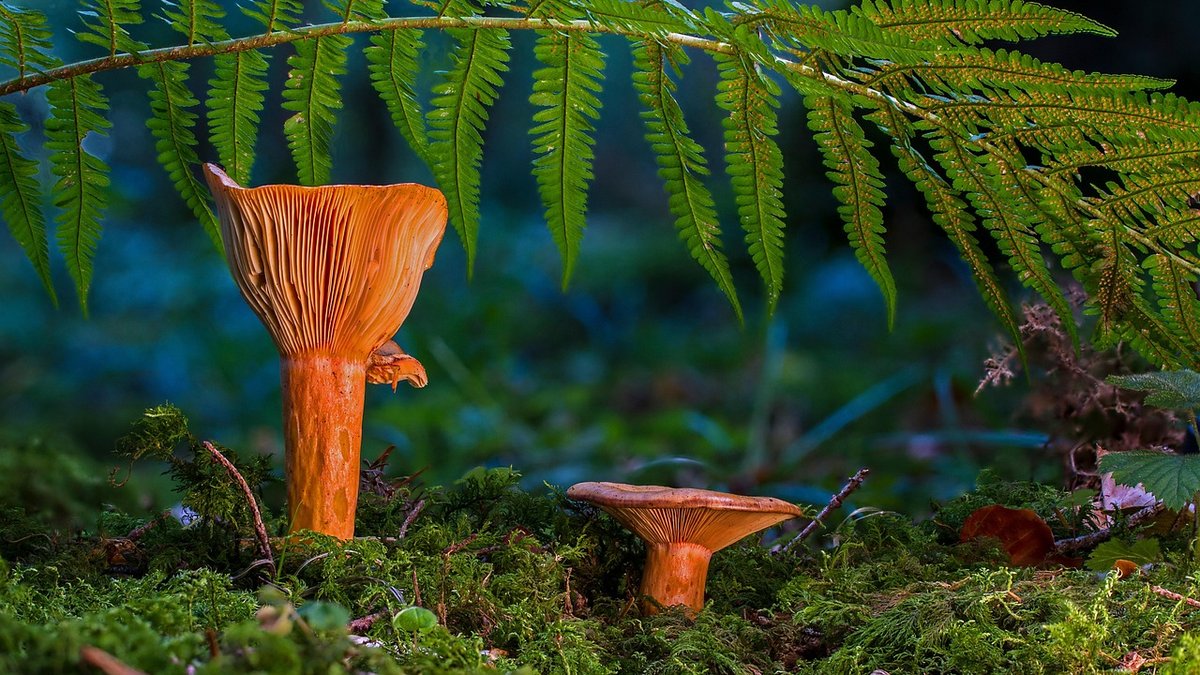
By late September the hedgerows have turned heavy and dark, and the woodland edge smells of damp leaf litter and ripe fruit. For a few short weeks, the British countryside offers one of its most generous — and most easily squandered — harvests. Berries are the point at which a walk becomes a larder, whether you are on a Herefordshire lane, a Cornish cliff path or a pine-and-granite coastline in the far north. They are also the difference between a song thrush getting through the winter and not. Foraging well means taking a little, leaving plenty, and knowing exactly what is in your hand before it reaches your mouth.
Begin with species that are hard to confuse, and learn them properly in the field rather than from a photograph. The following are widespread, abundant and forgiving.
Sloes, damsons and crab apples often grow nearby, and a mixed hedgerow haul makes far better preserves than any single fruit.
Some of the prettiest berries in the British countryside are genuinely dangerous, and a few are lethal in small quantities. Learn these by sight and leave them completely alone.
The old rule holds: if you are not certain, it is not food. There is no shame in going home with an empty basket and a good walk behind you.
How you pick matters as much as what you pick. A hedgerow stripped bare in September is a hedge that starves its residents in January.
Around our wind-scoured coasts, autumn foraging has a distinctly northern character. Sea buckthorn hangs in dense orange clusters along dune edges and shingle, mouth-puckeringly sour and exceptionally high in vitamin C. Crowberries darken the heath, juniper bushes carry their blue-black cones, and wild raspberries hide in coastal scrub. The Nordic idea of friluftsliv — open-air living, whatever the weather — suits this landscape perfectly: a thermos, a wool layer, a slow walk into a headwind, and a pocketful of something sharp and bright.
Coastal plants are often stunted and low, so crouch and pick carefully rather than trampling a decade of slow growth. Wind-battered bushes hold their fruit close to the ground, which makes them tempting to strip — don't. Take a handful, move on, and let the rest feed the wintering thrushes arriving from Scandinavia.
Get your haul home, sort it at once, and discard anything bruised or unripe. Sloes are best frozen overnight before use, which breaks down the fruit and softens their fierce astringency. Elderberries must always be cooked; simmer them with a little water, strain, and bottle the juice with sugar as a cordial or a hot toddy base. Rowan and crab apple jelly is a classic pairing, and heps make a syrup that is lovely stirred into yoghurt.
Avoid aluminium pans with acidic fruit, freeze soft berries on trays before bagging, and label everything with the date and place. Then plan the next walk — the season is short, and the good hedges are worth returning to.

Hi, my name is Anthony kuber. I am artist and fashion designer.
I love to travel and writing blogging.
Your email address will not be published. Required fields are marked *
Software Developer & Writer
Hey, I'm Diva, a developer and writer blending code and creativity. I'm driven by a deep curiosity and a relentless pursuit of excellence. Join me as I craft digital solutions and captivating stories.


